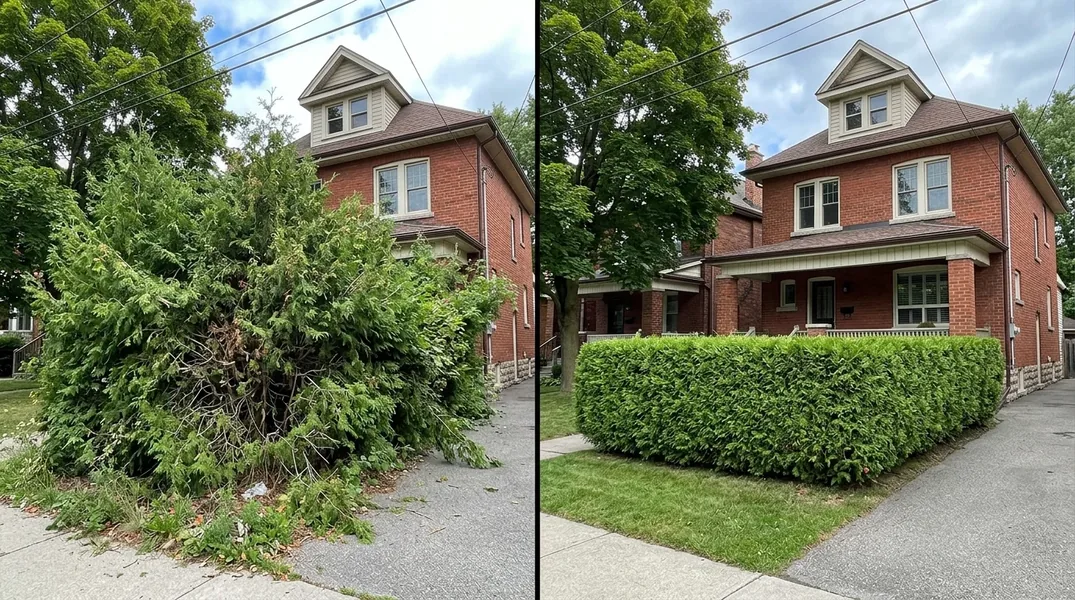
Why Winter Storms Pose a Unique Threat to Trees
The Escarpment's trees face extraordinary stress during winter months. Heavy ice accumulation and powerful windstorms combine to create conditions that can snap branches, split trunks and topple entire trees without warning. Unlike summer storms that arrive and pass quickly, winter weather can linger for days, with ice building layer upon layer on branches and limbs.
Trees that appear healthy in autumn may be structurally compromised by hidden damage from previous storms or disease. When ice forms on branches, the weight increases dramatically. A single centimetre of ice can add hundreds of kilograms of load to a tree's canopy. Wind gusts then push against that additional weight, creating leverage that exceeds what the tree's root system and trunk can withstand. In Hamilton, where properties often sit on slopes or near ravines, a falling tree becomes not just an aesthetic loss but a serious safety hazard.
Recognizing Hazardous Trees Before Winter Arrives
A Tree Pruning & Crown Reduction assessment in autumn can identify which trees on your property are most vulnerable to winter damage. Arborists look for signs of structural weakness: included bark in branch crotches, dense canopies that catch wind like a sail, dead or diseased limbs, and unbalanced crowns where most weight hangs on one side. Trees that have already lost branches in previous storms, or those growing at angles, signal instability.
Certain species are more prone to ice damage than others. Birch, maple and ash trees commonly suffer breakage under ice load, particularly when they have dense foliage and heavy branch structures. Conversely, coniferous trees like spruce and pine are better adapted to shedding snow and ice because of their tapered shape and flexible branches. If you notice cracks in the bark, cavities in the trunk, or mushroom-like fruiting bodies growing from the wood, the tree may already be compromised by decay and is at high risk of failure during a storm.
Preventive Pruning Before Winter: Your Best Defence
Tree Trimming and crown reduction performed in late autumn significantly reduce the risk of storm damage. By removing dead wood, crossing branches and weak limbs, you reduce both the weight and wind resistance of the canopy. A lighter, more open crown allows wind to pass through rather than pushing the entire tree like a lever. This approach also improves air circulation within the canopy, which can reduce ice accumulation on remaining branches.
The timing of preventive pruning matters. Work done in September or October allows trees to enter dormancy in a structurally sound state. Pruning too late in winter, after severe weather has already struck, leaves little time for the tree to compartmentalize wounds before spring growth begins. Escarpment Tree Trimming recommends scheduling an assessment by late August so that work can be completed before the first major storms arrive. Call (289) 796-3100 to arrange a free estimate and discuss your trees' specific needs.
Storm Damage and Ice Storm Tree Damage: Immediate Response
When winter storms strike Hamilton, broken branches and fallen trees create immediate hazards. A tree fell on house situations demand urgent attention, both for safety and for insurance documentation. Escarpment Tree Trimming offers 24/7 Emergency Tree Removal to respond when storms cause damage to your property.
Ice storm tree damage in Ontario can be widespread and severe. Even trees that survive the initial storm may be weakened by the experience, with cracks and splits that will worsen over time. Prompt removal of broken branches prevents further damage to the remaining tree and eliminates hazards to people and structures below. If a tree has partially fallen or is leaning dangerously, removal is often the safest option. Our crews are equipped to work safely in post-storm conditions and to document damage for your insurance claim.
When Tree Removal Is Necessary
Not every damaged tree can or should be saved. Tree Removal becomes the responsible choice when a tree is dead, diseased beyond recovery, or poses an ongoing safety risk. A tree that has lost a major limb or sustained a deep split in the trunk may decline over several years, gradually weakening until it fails unexpectedly. In such cases, removing the tree promptly and replanting with a more resilient species is often the better long-term strategy.
Hazardous trees warrant professional assessment. Leaning trees, those with hollow trunks, trees with large cavities, and those growing too close to structures are candidates for removal. Escarpment Tree Trimming's certified arborists can evaluate whether a damaged tree will recover or should be taken down. Once removed, stump grinding can be arranged to restore the ground surface. Our pricing for removal and grinding varies by tree size and site access, so we provide a detailed estimate before work begins.
Protecting Your Home and Preparing for Next Winter
A proactive approach to tree care reduces risk year after year. After a damaging winter storm, take time to assess which trees survived intact and which were stressed. Those that sustained damage should be pruned to remove broken wood and restore balance. Trees that showed signs of weakness before the storm should be monitored closely or removed if they remain hazardous.
Working with Escarpment Tree Trimming now sets the stage for safer winters ahead. Our team can design a multi-year maintenance plan that includes regular pruning, removal of dead wood and targeted reduction of high-risk trees. Regular inspections catch emerging problems before they become emergencies. Contact us at (289) 796-3100 or visit https://hamilton-tree-trimming.ca to schedule your winter preparedness assessment. With proper care, your trees can withstand the Escarpment's challenging climate and continue to enhance your property for decades to come.
Looking for a professional in Hamilton? Escarpment Tree Trimming responds quickly for all your tree trimming needs.
Get a free estimateOur services : Tree Removal · Tree Trimming · Tree Pruning & Crown Reduction